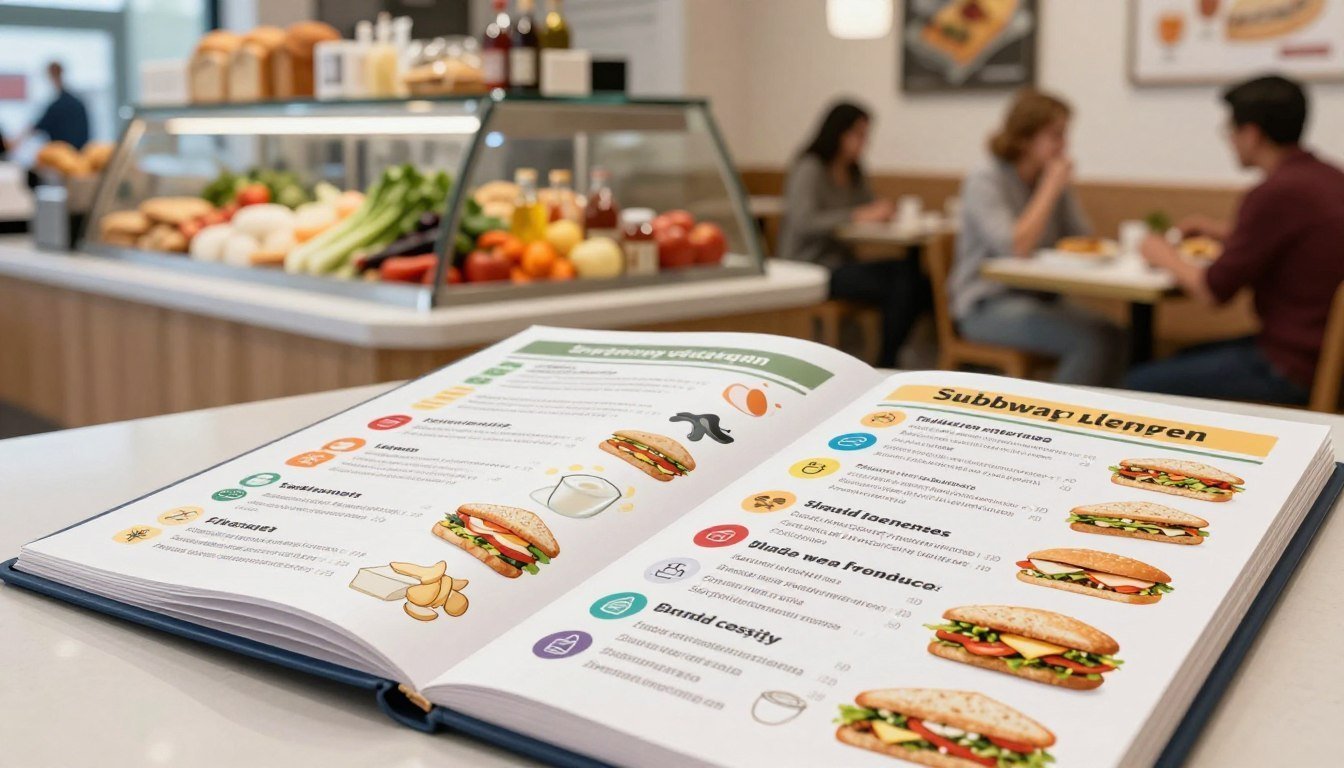
Subway Allergen Menu: Discover What’s in Your Sandwich
For individuals with dietary restrictions, understanding what’s in your Subway sandwich is crucial. With the rise of food allergies and intolerances, it’s become increasingly important for restaurants to provide clear information about their offerings.
Subway, a popular fast-food chain, has taken steps to address this concern by providing an allergen menu. This resource helps customers make informed decisions about their meals, ensuring a safer and more enjoyable dining experience.
By understanding the ingredients used in Subway sandwiches, customers can avoid potential allergens and enjoy their favorite meals with confidence.
Key Takeaways
- Understanding the ingredients in your Subway sandwich is crucial for individuals with dietary restrictions.
- Subway provides an allergen menu to help customers make informed decisions.
- The allergen menu ensures a safer and more enjoyable dining experience.
- Customers can avoid potential allergens and enjoy their favorite Subway meals with confidence.
- Subway’s allergen menu is a valuable resource for customers with food allergies and intolerances.
Understanding Food Allergies and Dietary Restrictions
Food allergies and dietary restrictions are becoming increasingly common, making it essential for restaurants like Subway to provide clear allergen information. This transparency allows consumers to make informed decisions about their meals, ensuring their safety and satisfaction.
Common Food Allergies in America
The most common food allergies in America include peanuts, tree nuts, milk, eggs, fish, shellfish, wheat, and soy. These allergies can cause severe reactions, ranging from mild discomfort to life-threatening conditions. According to Food Allergy Research & Education, over 32 million Americans suffer from food allergies.
The Importance of Allergen Information for Consumers
Having access to detailed allergen information is crucial for consumers with food allergies. Subway’s allergen menu provides this information, enabling customers to identify potential allergens in their meals. This transparency is vital for preventing cross-contamination and ensuring customer safety.
| Common Allergen | Prevalence | Subway’s Approach |
|---|---|---|
| Peanuts | High | Clearly labeled on the allergen menu |
| Milk | Moderate | Detailed information on dairy products |
| Wheat | High | Gluten-containing breads clearly marked |
By providing comprehensive allergen information, Subway empowers its customers to make safe and informed choices, enhancing their dining experience.
The Complete Subway Allergen Menu Guide
Subway’s allergen menu guide is designed to help customers with food allergies make safe and enjoyable choices. With subway allergy info readily available, customers can confidently navigate the menu.
How Subway Categorizes Allergens
Subway categorizes allergens based on the major food allergens recognized by the FDA: milk, eggs, fish, shellfish, tree nuts, peanuts, wheat, and soybeans. They also consider gluten-containing ingredients due to their prevalence in many food products.
According to Subway’s official statement:
“We take food allergies seriously and provide subway allergen information to help you make informed choices.”
Reading and Interpreting Subway’s Allergen Charts
Subway’s allergen charts are a valuable resource, listing ingredients and potential allergens for each menu item. To read these charts effectively, look for the presence of allergens marked next to each ingredient.
| Menu Item | Allergens |
|---|---|
| Turkey Breast Sandwich | Wheat, Milk |
| Veggie Delite | None |
By understanding how to interpret these charts, customers can make informed decisions about their meals, ensuring a safe dining experience.
How to Access Subway’s Allergen Information
Subway provides multiple resources for customers to access allergen information about their menu items. This ensures that customers with dietary restrictions can make informed choices. The information is available through various channels, both online and in-store.
In-Store Allergen Resources
Subway restaurants provide allergen information posters or brochures in-store. These resources list ingredients and potential allergens for each menu item. Customers can ask staff for assistance in understanding the information.
Online Allergen Tools and Resources
Subway’s official website offers a detailed allergen guide. Customers can visit the website to view allergen charts and ingredient lists. This information helps customers plan their meals in advance.
Using the Subway App for Allergen Information
The Subway app allows customers to access allergen information on-the-go. By using the app, customers can view ingredient lists and allergen warnings for Subway’s menu items. This feature is particularly useful for customers who frequently order Subway.
By utilizing these resources, customers can enjoy Subway’s menu while managing their dietary restrictions. Whether in-store, online, or through the app, Subway provides comprehensive allergen information.
Bread Options and Their Allergen Profiles
For individuals with food allergies, understanding Subway’s bread options is key to enjoying a safe meal. Subway offers a variety of bread that caters to different tastes and dietary needs, but it’s crucial to know the allergen profile of each.
Gluten-Containing Breads
Subway’s traditional bread options, such as Italian, White, and Wheat, contain gluten. Gluten is a significant concern for those with celiac disease or gluten intolerance. These breads are made from wheat and may also contain other allergens due to cross-contact.
Gluten-Free Alternatives
For customers who require a gluten-free diet, Subway offers gluten-free bread alternatives in some locations. It’s essential to note that while these breads are gluten-free, they may be prepared in environments where gluten is present, risking cross-contamination.
Other Allergens Present in Subway Breads
Beyond gluten, Subway’s breads may contain other allergens. For instance, some bread may come into contact with soy or nuts during preparation. Here’s a breakdown of potential allergens in Subway’s bread options:
| Bread Type | Gluten | Soy | Nuts |
|---|---|---|---|
| Italian | Yes | Possible | No |
| Gluten-Free | No | Possible | Possible |
| Wheat | Yes | No | No |

Understanding these allergen profiles can help Subway customers make informed choices about their meals, ensuring a safer dining experience for those with dietary restrictions.
Protein Choices and Associated Allergens
Subway offers a variety of protein options, but it’s essential to understand the allergens associated with each choice. Whether you’re a meat-lover, a seafood enthusiast, or a vegan, knowing what’s in your sandwich is crucial for those with food allergies.
Meat-Based Proteins and Allergens
Meat-based proteins at Subway include chicken, turkey, roast beef, and ham. These options are generally free from common allergens like nuts and soy, but it’s crucial to note that some processing facilities may handle allergenic ingredients. For instance, chicken and turkey are typically considered safe for those with nut allergies, but cross-contamination can occur.
Seafood Options and Allergen Concerns
For seafood lovers, Subway offers tuna as a protein option. Tuna is a significant concern for those with fish allergies. It’s essential to inform staff about any fish or shellfish allergies, as cross-contact can happen during preparation.
Plant-Based Proteins and Their Allergen Profiles
Subway’s plant-based proteins include options like veggie patties and tofu. While these are naturally free from animal-derived allergens, some may contain soy, a common allergen. Additionally, some veggie patties might be processed in facilities that handle nuts or gluten, making it vital to check the ingredient list.
Understanding the allergen profile of your chosen protein is key to enjoying a safe meal at Subway. Always check their allergen charts and inform staff of any allergies to ensure your meal is prepared with care.
Cheese, Sauce, and Condiment Allergen Information
When customizing your Subway sandwich, it’s crucial to consider the allergen information related to cheeses, sauces, and condiments. These components can significantly impact the overall allergen profile of your meal.
Dairy Allergens in Subway Cheeses
Subway offers various cheese options, many of which contain dairy allergens. The primary dairy allergen in cheese is milk. Subway’s cheese selection includes options like cheddar, Swiss, and mozzarella, all of which contain milk. For those with dairy allergies, it’s essential to avoid these cheeses or opt for dairy-free alternatives when available.
Common Allergens in Sauces and Dressings
Sauces and dressings at Subway can contain a variety of allergens. Common allergens include milk, soy, and eggs. For example, Subway’s ranch dressing contains milk and soy. It’s vital to check the allergen charts or ask staff about specific ingredients in sauces and dressings to make informed choices.

Allergen-Free Condiment Options
While many condiments are inherently free from common allergens, cross-contamination can occur. Subway offers various condiments, some of which are less likely to contain major allergens. Mustard and salt are examples of condiments that are typically free from common allergens like nuts, dairy, and eggs. However, it’s always a good idea to verify with staff to ensure safety.
By understanding the allergen information related to Subway’s cheeses, sauces, and condiments, customers can make safer, more informed choices about their meals.
Fresh Vegetables and Potential Cross-Contact Concerns
Fresh vegetables are a key component of Subway’s sandwiches, offering customers a range of healthy choices. Subway’s menu is designed to cater to various dietary needs, including those with food allergies. Understanding the allergen profile of their vegetable options is crucial for customers with specific allergies.
Allergen-Free Vegetable Options
Subway offers a variety of fresh vegetables that are inherently free from common allergens like peanuts, tree nuts, dairy, eggs, fish, shellfish, soy, and wheat. Options such as lettuce, tomatoes, cucumbers, and bell peppers are popular choices. These vegetables are prepared fresh in-store daily, ensuring their quality and safety for customers with dietary restrictions.
Understanding Cross-Contact with Fresh Ingredients
While Subway’s fresh vegetables are allergen-free, there is a risk of cross-contact with other ingredients in the kitchen. Cross-contact occurs when allergens are unintentionally transferred from one food to another through contact. Subway takes precautions to minimize this risk, but customers with severe allergies should be aware of this potential risk when ordering.
To mitigate cross-contact, Subway staff are trained to handle food allergens safely. Customers can also take steps by informing staff about their allergies when ordering. By working together, Subway aims to provide a safe dining experience for all customers.
Popular Subway Sandwiches and Their Allergen Profiles
Understanding the allergen profiles of Subway’s popular sandwiches is crucial for customers with food allergies. Subway’s menu is designed to cater to various tastes and dietary needs, making it a popular choice for many. However, with so many options available, it can be challenging to navigate the menu while managing food allergies.
Classic Sandwiches and Common Allergens
Subway’s classic sandwiches, such as the BMT and Italian, contain common allergens like gluten, dairy, and soy. The BMT, for example, includes pepperoni, salami, and ham, all of which are processed meats that may contain gluten. Additionally, the cheese used in these sandwiches is a dairy product.
| Classic Sandwich | Common Allergens |
|---|---|
| BMT | Gluten, Dairy |
| Italian | Gluten, Dairy, Soy |
Specialty Sandwiches and Allergen Considerations
Subway’s specialty sandwiches often include unique ingredients that may pose additional allergen concerns. For instance, the Chicken Bacon Ranch sandwich contains chicken, bacon, and ranch dressing, which includes dairy and gluten.
- Chicken Bacon Ranch: Contains gluten, dairy, and soy.
- Steak & Cheese: Contains gluten and dairy.
Building Allergen-Friendly Custom Sandwiches
To build an allergen-friendly custom sandwich at Subway, customers can choose from a variety of ingredients. Opting for gluten-free bread and selecting vegetables like lettuce, tomatoes, and cucumbers can help avoid common allergens.
“The key to managing food allergies is being informed about the ingredients in your food.” – Food Allergy Research & Education
By being mindful of the ingredients and allergen profiles of Subway’s sandwiches, customers can enjoy a safe and satisfying meal.
Subway’s Allergen Management and Cross-Contamination Policies
Subway’s commitment to allergen safety is reflected in its comprehensive management policies. These policies are designed to protect customers with food allergies and dietary restrictions.
Kitchen Procedures for Allergen Safety
Subway’s kitchen procedures are crucial in preventing cross-contamination. Sandwich artists follow strict guidelines when handling ingredients, including separating allergenic foods and using dedicated utensils.
| Procedure | Description |
|---|---|
| Ingredient Separation | Allergenic ingredients are stored separately to prevent cross-contact. |
| Utensil Handling | Utensils are dedicated to specific ingredients to avoid cross-contamination. |
| Cleaning Protocols | Surfaces and equipment are regularly cleaned to remove allergens. |
Employee Training on Allergen Awareness
Subway employees undergo comprehensive training on allergen awareness, enabling them to assist customers with dietary restrictions effectively.
Customer Communication About Allergen Risks
Subway emphasizes transparent communication with customers about potential allergen risks. Customers are encouraged to inform staff about their allergies, and staff are trained to provide clear guidance on menu items.
By combining rigorous kitchen procedures, thorough employee training, and open customer communication, Subway strives to provide a safe dining experience for all customers.
Conclusion: Enjoying Subway Safely with Food Allergies
Eating at Subway can be a safe and enjoyable experience for individuals with food allergies, provided they are well-informed about the menu options. By understanding the Subway allergen menu and being aware of the potential allergens in each sandwich, customers can make informed decisions about their meal choices.
Subway’s commitment to providing detailed allergen information is a valuable resource for customers. The Subway allergens guide helps identify common allergens such as gluten, dairy, and nuts, making it easier for customers to navigate the menu. Whether you’re gluten-free, vegan, or have other dietary restrictions, Subway’s allergen-friendly options cater to various needs.
To enjoy Subway safely, customers should take advantage of the available allergen resources, including in-store information and online tools. By being mindful of Subway allergens and taking steps to manage cross-contamination risks, individuals with food allergies can confidently enjoy their favorite Subway sandwiches.